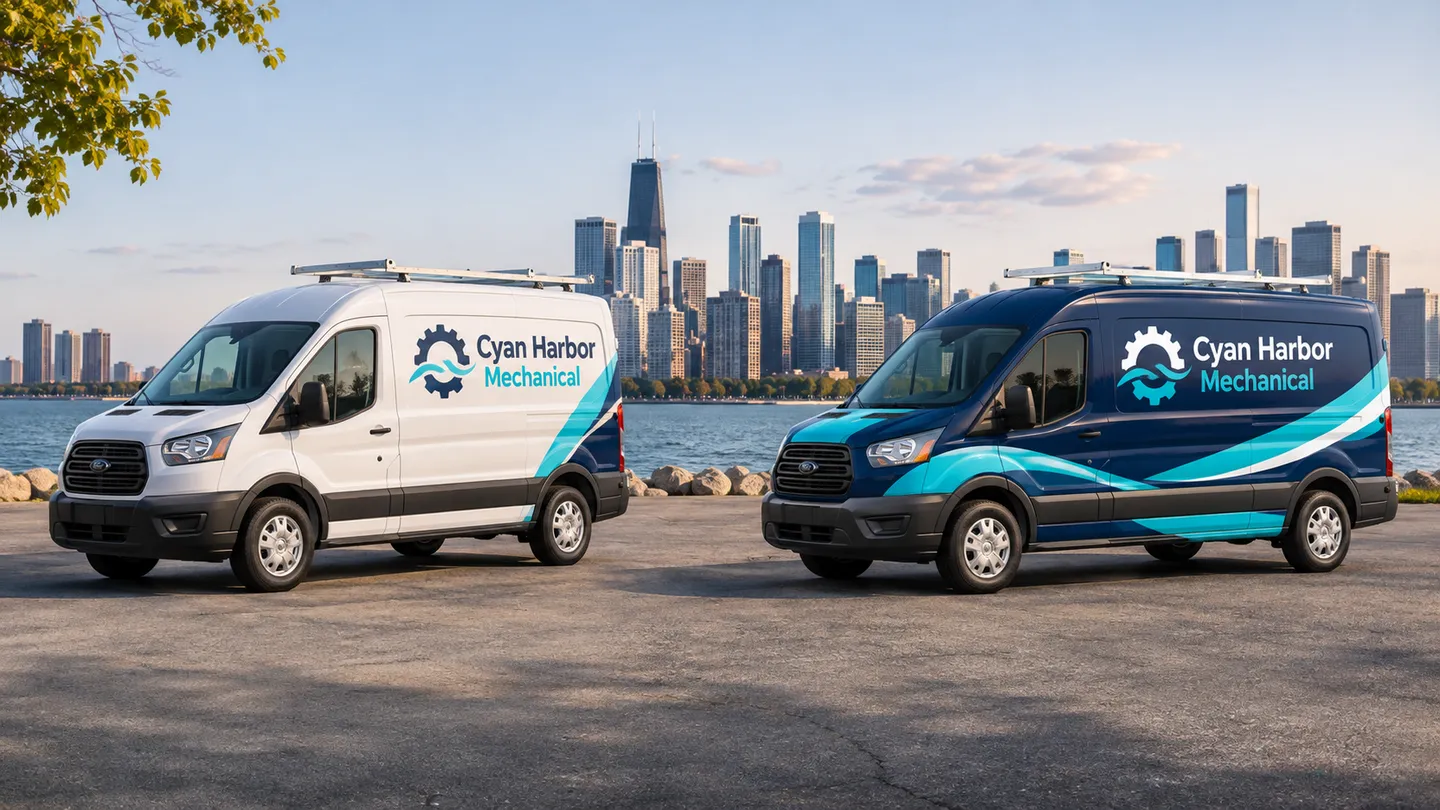
Build a common vehicle baseline
List the actual groups, counts and requested coverage before entering supplier prices. Keep configuration differences and proposed location arrangements visible. If one bidder priced a smaller count or a different coverage area, record that as a scope difference rather than merely scaling its total. Ask whether the pricing basis can be clarified. A normalized cost is useful only when the reader understands which parts of the purchase are genuinely comparable.
- Use stable group names in every proposal comparison.
- Retain original proposal versions and their dates.
Separate shared and repeating charges
Place one-time setup or project charges in distinct lines from per-vehicle amounts. Record quantities exactly as quoted and explain the unit of any other charge. Check whether a shared fee already appears inside a bundled per-vehicle price so it is not counted twice. If the price basis is unclear, keep the line unresolved and ask the bidder. Arithmetic can total entered numbers, but it cannot determine an unstated supplier billing policy.
- Keep optional work separate from the requested baseline.
- Use the same entered-cost basis across the compared bids.
Read the total with its unresolved items
Display unpriced exclusions and conditions beside the calculated total. Do not turn a blank or unknown into zero. A lower entered total may reflect less included work rather than a better price for the same result. Ask the supplier to resolve important gaps and issue a revised proposal when needed. Preserve your comparison inputs and final decision rationale so a later change can be traced to scope or quantity rather than remembered as an unexplained price increase.
- Label the result as an entered-cost total when exclusions remain.
- Recalculate after accepted changes to counts or scope.
Keep a working record
Before you approve the next step
- Vehicle baseline defined.
- Original bid versions saved.
- Shared charges separated.
- Per-vehicle quantities checked.
- Unpriced items remain visible.
- Revised scope triggers a fresh comparison.
Use the free planning tool to organize the details you can confirm and the questions still open.
Four questions before the next step
Can the tool fill in a missing removal price?
No. Record the item as unpriced and obtain a supplier response if it matters to the purchase. An invented allowance would make the apparent precision of the comparison misleading.
Read the detailed guide: Normalize fleet bids without rewriting their scope
Is dividing the total by vehicle count enough?
It can show an average, but may hide shared charges and different vehicle groups. Preserve the underlying line items and scope before treating an average as a comparable unit price.
Read the detailed guide: Normalize fleet bids without rewriting their scope
Is an unanswered item the same as an exclusion?
No. It may be missing information rather than a refusal to include work. Ask for clarification and preserve the distinction until the supplier responds.
Read the detailed guide: Create a fleet bid exclusion register
Can an exclusion be accepted?
Yes, if the business understands it and the final project still meets its requirements. Record the decision and any separate arrangement needed to handle the excluded work.
Read the detailed guide: Create a fleet bid exclusion register
Original technical sources
Use the linked publisher's current instructions for the exact product and vehicle. This planning guide does not replace its application, safety or warranty requirements.